
Memorize Any Text Using Only First Letters
The Revolutionary Memory Hack That Makes Memorizing Text Almost Effortless

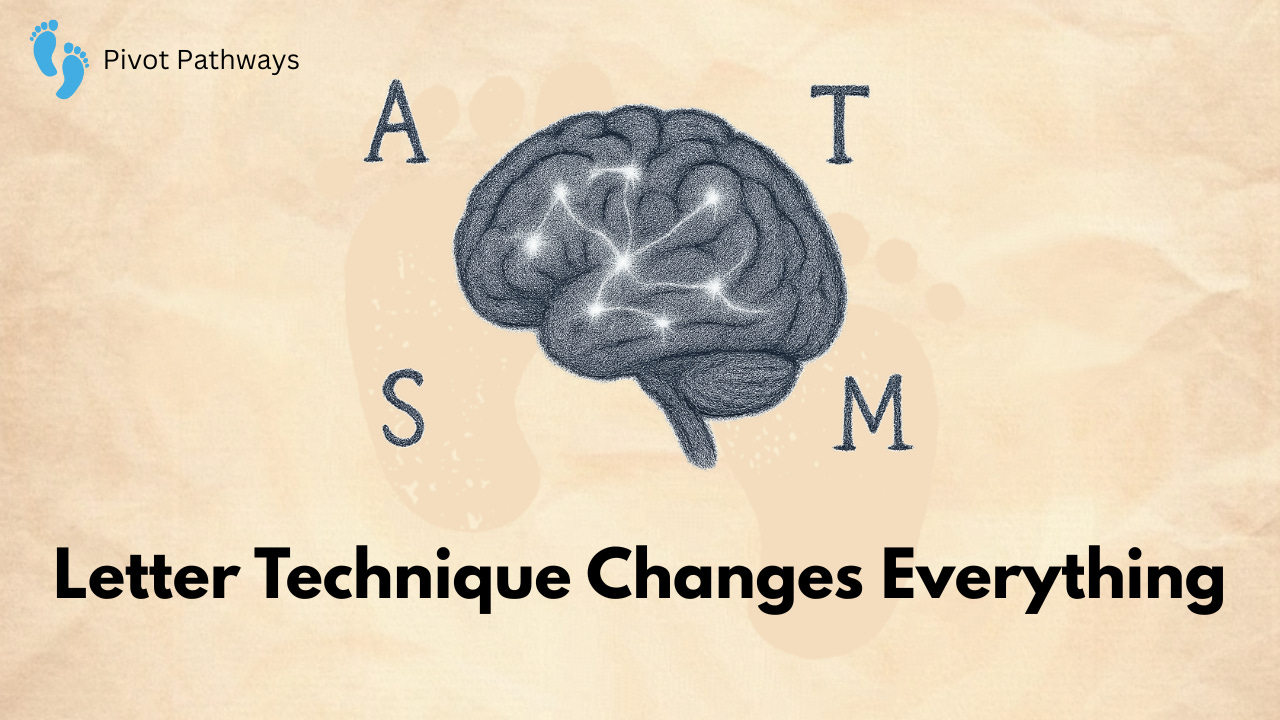
What if I told you there's a memory technique so simple it barely qualifies as a technique at all? Memory champion Nelson Dellis discovered a method that requires zero traditional memory skills, no elaborate mental palaces, and works almost like magic. This isn't about becoming a memory athlete. This is about having a practical tool that can save you time, reduce stress, and boost your confidence whenever you need to memorize text quickly.
The beauty of this approach lies in its counterintuitive simplicity. While most memory methods require extensive training and practice, this technique leverages something your brain already does naturally. You're not learning a new skill so much as you're discovering a hidden pathway your mind has been waiting to use. The process feels almost too easy to work, yet it consistently delivers results that seem impossible.
Here's how the magic happens. You start by reading your target text several times to get the general flow and meaning embedded in your mind. Then comes the crucial step that transforms everything: you write down only the first letter of each word, maintaining the original formatting, punctuation, and capitalization. What you end up with looks like complete gibberish, but your brain sees it as a detailed blueprint.
This seemingly random collection of letters becomes your secret decoder ring. When you attempt to reconstruct the original text using only these first letters as prompts, something remarkable occurs in your neural pathways. Your brain draws connections between the visual memory of writing the letters, the auditory memory of reading the text, and the conceptual memory of understanding the meaning. These multiple memory channels working together create a surprisingly robust recall system.
The technique works because it exploits how your brain naturally processes and stores information. Unlike rote repetition, which relies on brute force memorization, this method creates multiple retrieval pathways simultaneously. You're not just memorizing words; you're building a mental framework that supports the entire structure of the text. The first letters serve as scaffolding that holds up the complete meaning.
Think about how you remember phone numbers or addresses. You don't typically memorize them as individual digits; you chunk them into meaningful patterns. This memory technique applies the same principle to text memorization. Each first letter becomes an anchor point that triggers the recall of the complete word, and the sequence of anchors reconstructs the entire passage.
The real power emerges when you practice reading from your letter blueprint. Initially, you might struggle to reconstruct even simple phrases, but within minutes, you'll find yourself reciting complete sentences with surprising accuracy. Your brain fills in the gaps between letters using context, rhythm, and meaning. It's like having a conversation where someone gives you the first sound of each word, and you effortlessly complete their thoughts.
This method shines brightest in high pressure situations where traditional memory techniques might falter. Actors preparing for last minute script changes, students cramming for presentations, or professionals rehearsing important speeches can use this technique to quickly internalize text without the time investment required for memory palaces or elaborate mnemonic systems.
But here's what makes this truly revolutionary: it works for anyone, regardless of their memory training background. You don't need to spend months learning visualization techniques or building mental architectures. The only requirements are a pen, paper, and willingness to trust a process that seems almost too simple to be effective.
The technique also adapts beautifully to different types of content. Poetry, with its natural rhythm and imagery, responds particularly well to this method. Dialogue from scripts or speeches flows naturally when reconstructed from first letters. Even technical text or foreign language phrases can be memorized using this approach, though the complexity might require additional review sessions.
What sets this apart from other quick memorization tricks is its reliability under pressure. When you're nervous or rushed, complex memory systems often break down, but this method remains surprisingly stable. The multiple memory channels create redundancy that protects against the kind of mental blocks that derail other approaches. If you forget one word, the surrounding context and letter prompts help you recover quickly.
The visual component of writing the letters by hand adds another layer of memory reinforcement. The physical act of forming each letter creates muscle memory that supports the recall process. This is why typing the letters doesn't produce the same results. Your hand movements become part of the memory pattern, creating yet another pathway for retrieving the information.
This technique represents something profound about how human memory actually works. We're not computers that store information in discrete files. We're pattern recognition machines that excel at finding connections and reconstructing complex information from minimal cues. This method harnesses that natural ability instead of fighting against it.
Ready to revolutionize how you memorize text? Start with something simple, a favorite quote or song lyric. Read it several times, write down the first letters, then challenge yourself to reconstruct the original. You'll be amazed at how quickly your brain adapts to this new way of encoding information. Share your results with others, because this technique spreads best through demonstration. Try it today, and discover the memory superpower you never knew you had.
If this post sparked a thought, shifted your mindset, or gave you something meaningful — don’t let it end here.
Buy me a coffee ☕ to power more of this work. Every cup helps me stay independent and keep delivering value.
Ready for next-level insights?
Upgrade your subscription and unlock exclusive content made just for committed readers like you.
✉️ Want to Grow Your Own Newsletter Without Guesswork?
Join The Newsletter Momentum — your weekly dose where I share everything I’m learning about audience growth, strategy, and consistent publishing.
One actionable post every Sunday. No fluff. Just real momentum.
Somewhat related to how I make passwords. Think of a phrase, use the first letters of every word as the password. The phrase is easy to remember, and typing the all the first letters goes as fast as remembering the phrase. Slightly complicated by number/punctuation requirements.